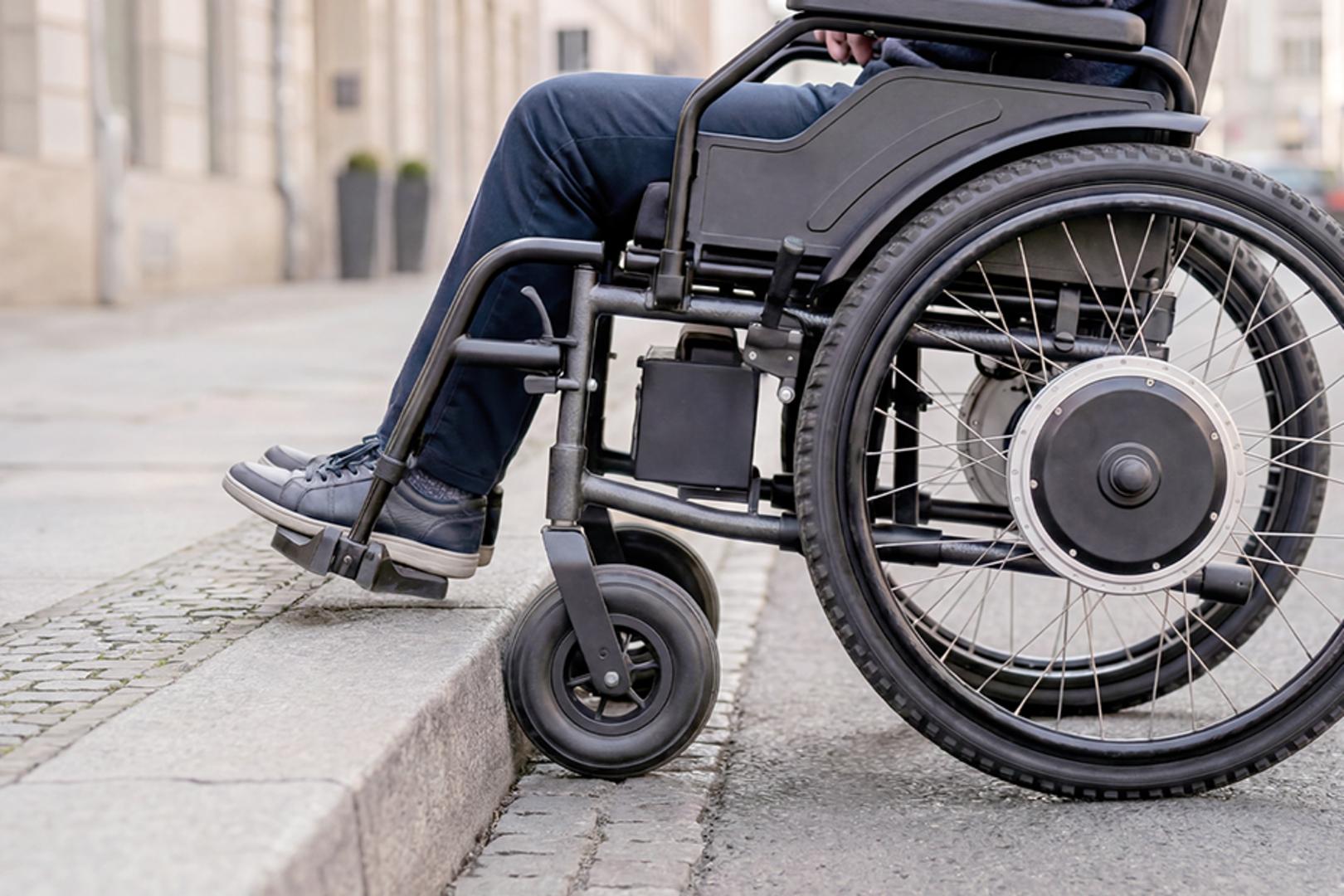
Selecting a thermally conductive PU potting compound for sophisticated electronic and electrotechnical assemblies based solely on product data sheets often does not lead to the required results. A manufacturer of electric wheelchairs was unable to prevent rapid motor overheating when wheels were blocked by kerbs or uneven road surfaces using standard products available on the market. Wevo therefore supported the company in material selection and provided application technology expertise throughout the entire process – from material preparation and PU potting to transferring the process to series production.
Polyurethane electrical potting compound for reliable stator encapsulation
At the core of the solution is a low-viscosity PU potting compound that enables reliable processing, void-free penetration and the complete impregnation of the stator windings. The thermally conductive material also ensures continuous heat transfer from the current-carrying copper conductors to the motor housing. The temperature peaks occurring when wheels are blocked are also efficiently dissipated – without hot spots or components overheating.
The polyurethane potting significantly optimises thermal management for this application, reducing the temperature profiles of the electric motors below the originally assumed values while maintaining consistent performance. As a result, the customer requirements for the electrical potting compound defined at the start of the project in terms of temperature resistance and thermal conductivity were effectively reduced.
In addition, measurement data generated at the Wevo technical centre enabled adaptation of the design at an early stage. It was therefore possible to create a compact, planar electric motor that supports the narrow design of state-of-the-art electric wheelchairs and constitutes a key factor in terms of competitiveness.
Early involvement of the material manufacturer
The project demonstrates the importance of involving an experienced material manufacturer at an early stage. Rather than pursuing maximum performance values, the focus was on identifying an application-specific polyurethane potting compound. This ensured the optimal alignment of material properties, process reliability, design and cost-effectiveness – an approach that enables modern components for compact mobility solutions through precise PU potting.