Global logistics in transition
Global supply chains are the foundation of international trade – and are undergoing their most significant transformation in decades. Ambitious climate targets, new geopolitical realities and rapid digitalisation require innovative solutions. Technologies across sea, air, road and rail are enabling this transformation.
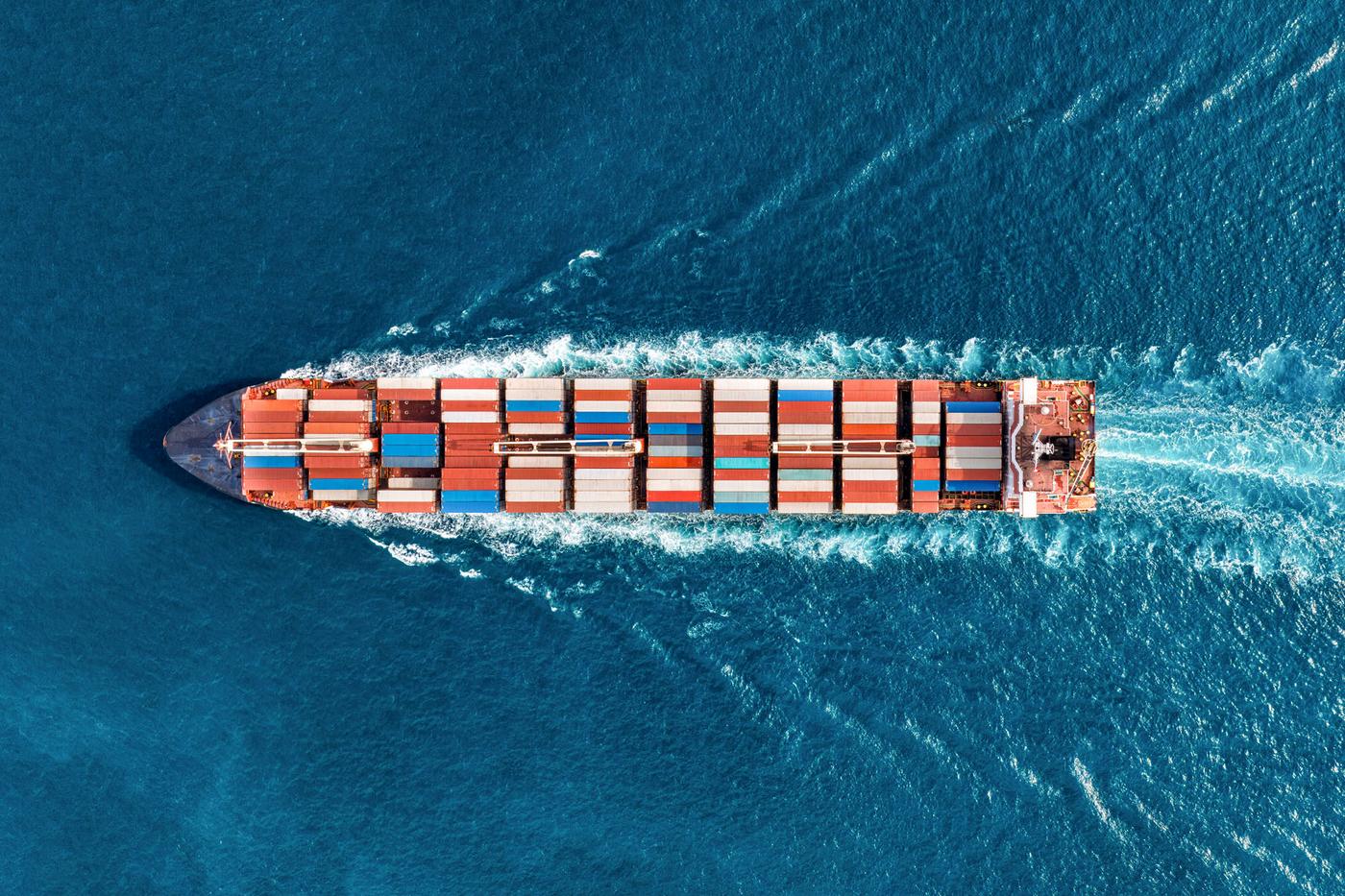
Fast, reliable supply chains are a key prerequisite for the functioning of the economy – from everyday consumer goods to industrial components. Highly interconnected value chains and logistics networks ensure vast volumes to be transported around the globe every day. According to the World Trade Organization (WTO), global merchandise exports totalled around 26 trillion US dollars in 2025.
Supply networks have to operate under increasingly complex conditions. Geopolitical tensions, protectionist tendencies and growing regulatory requirements are prompting companies to invest more heavily in the resilience of their supply chains. A non-representative survey conducted as part of the Supply Chain Pulse Check 2025 by Deloitte, Bundesverband der Deutschen Industrie e.V. (BDI; Federation of German Industries) and the International Service Logistics Association (ISLA) confirms this trend: almost all of the 148 companies surveyed increased their spending to strengthen supply chain resilience in 2025. Nearly half also made targeted investments in technologies to improve resilience and transparency.
At the same time, the sector is transitioning towards climate neutrality. According to the World Economic Forum and Boston Consulting Group, logistics currently accounts for around 11 per cent of global emissions – underscoring both the need for action and the potential. Numerous innovative projects and initiatives across sea, air, road and rail are already advancing carbon-neutral transport fleets and more efficient, increasingly automated processes.
Many technologies driving the transformation of logistics require robust electronic components. Potting compounds, adhesives and sealants from Wevo provide reliable protection for these components and support long-term functionality – even under demanding operating conditions.
Sea – new fuels for the global fleet
Around 80 per cent of globally traded goods are transported by sea, according to maritime transport statistics from UNCTAD, the United Nations Conference on Trade and Development.
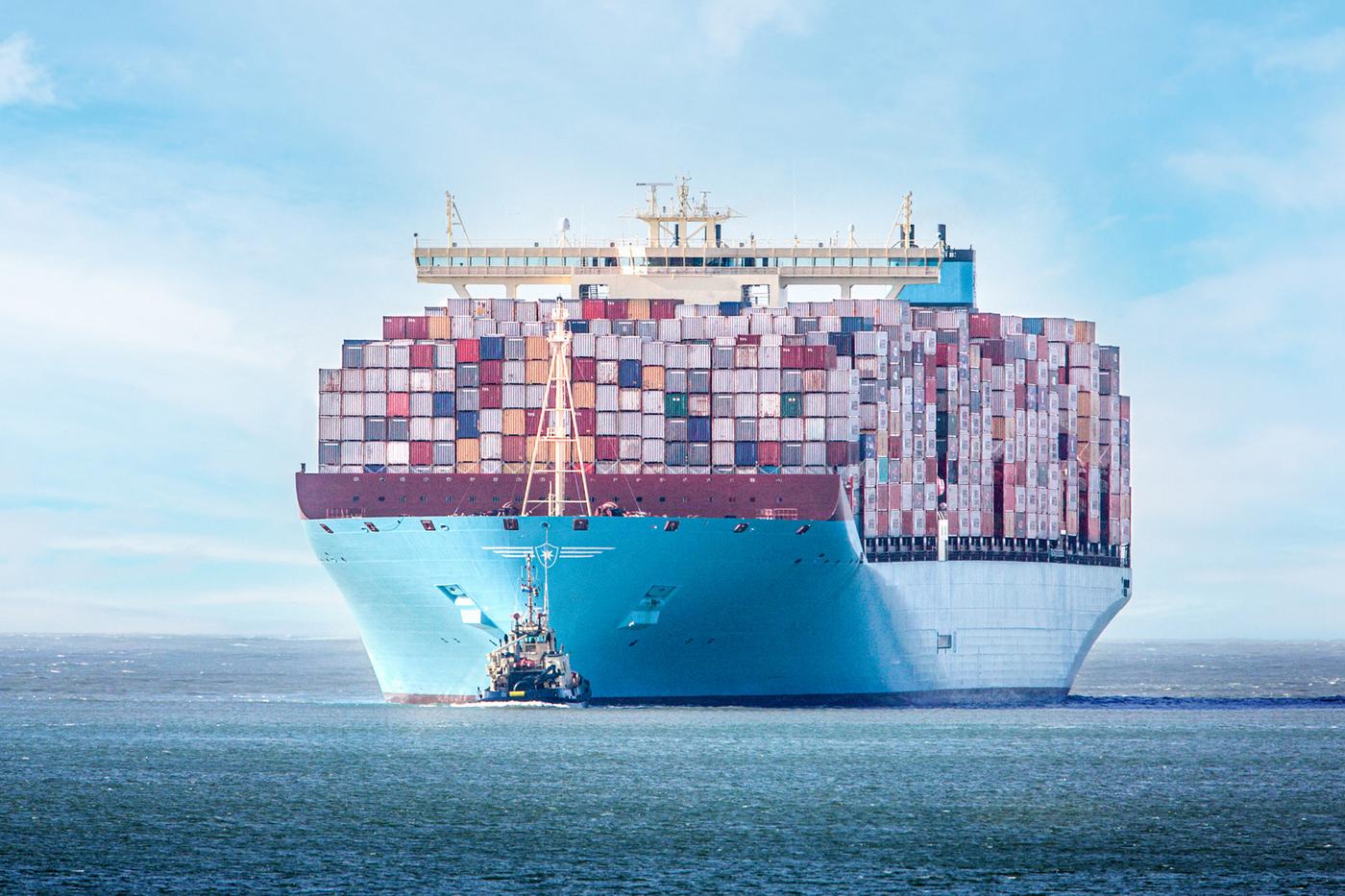
These enormous transport volumes are also reflected in the global container fleet. For 2025, UNCTAD forecast an almost 10 per cent increase in maximum carrying capacity, including cargo, fuel and supplies – from around 332 to approximately 364 million deadweight tonnes (DWT). The dimensions of individual vessels are also increasing. Today’s largest vessels have capacities of more than 24,000 twenty-foot equivalent units (TEU). One example is the MSC Irina, measuring just under 400 metres in length, more than 61 metres in width and offering a capacity of up to 24,346 TEU.
Methanol, ammonia and hydrogen are considered promising alternatives to fossil-based heavy fuel oil for the decarbonisation of deep-sea shipping. An example from Denmark illustrates how far some projects have already progressed: in 2025, the Copenhagen-based energy company European Energy opened “Kassø”, which, according to the company, is the world’s first industrial-scale facility for producing renewable e-methanol. With an annual capacity of up to 42,000 tonnes, the plant supplies, among others, the first methanol-powered container vessel, Laura Maersk. Logistics company Maersk has also been testing ethanol-methanol blends since autumn 2025 to gradually increase the ethanol content to 100 per cent and gather data on engine performance, combustion and availability.
An ambitious approach to green ammonia production is currently being developed off the Portuguese Atlantic coast. The Dutch start-up SwitcH2 B.V. is planning a floating production platform (Floating Production Storage and Offloading, FPSO) designed to produce fuel directly at sea. The facility is expected to include a vessel the size of an oil tanker (very large crude carrier, VLCC), where hydrogen produced from seawater using a 300 MW PEM electrolyser will be combined with nitrogen from the air to synthesise ammonia. With a potential annual production capacity of up to 243,000 tonnes, the project ranks among the largest of its kind worldwide. Technically, the offshore installation requires highly automated control and monitoring systems, robust electrical infrastructure, redundant systems – such as duplicated energy components – and comprehensive cybersecurity architecture. Companies involved include ABB (automation), Ohmium (electrolysis), and thyssenkrupp Uhde (ammonia synthesis).
High humidity, corrosive saltwater, and mechanical stress caused by sea conditions place extreme demands on control systems, sensors and power electronics – components that must operate reliably over the long term in offshore installations such as the SwitcH2 platform. Wevo potting compounds and sealants are designed specifically for such conditions.
SAF instead of kerosene – air freight on course for climate neutrality
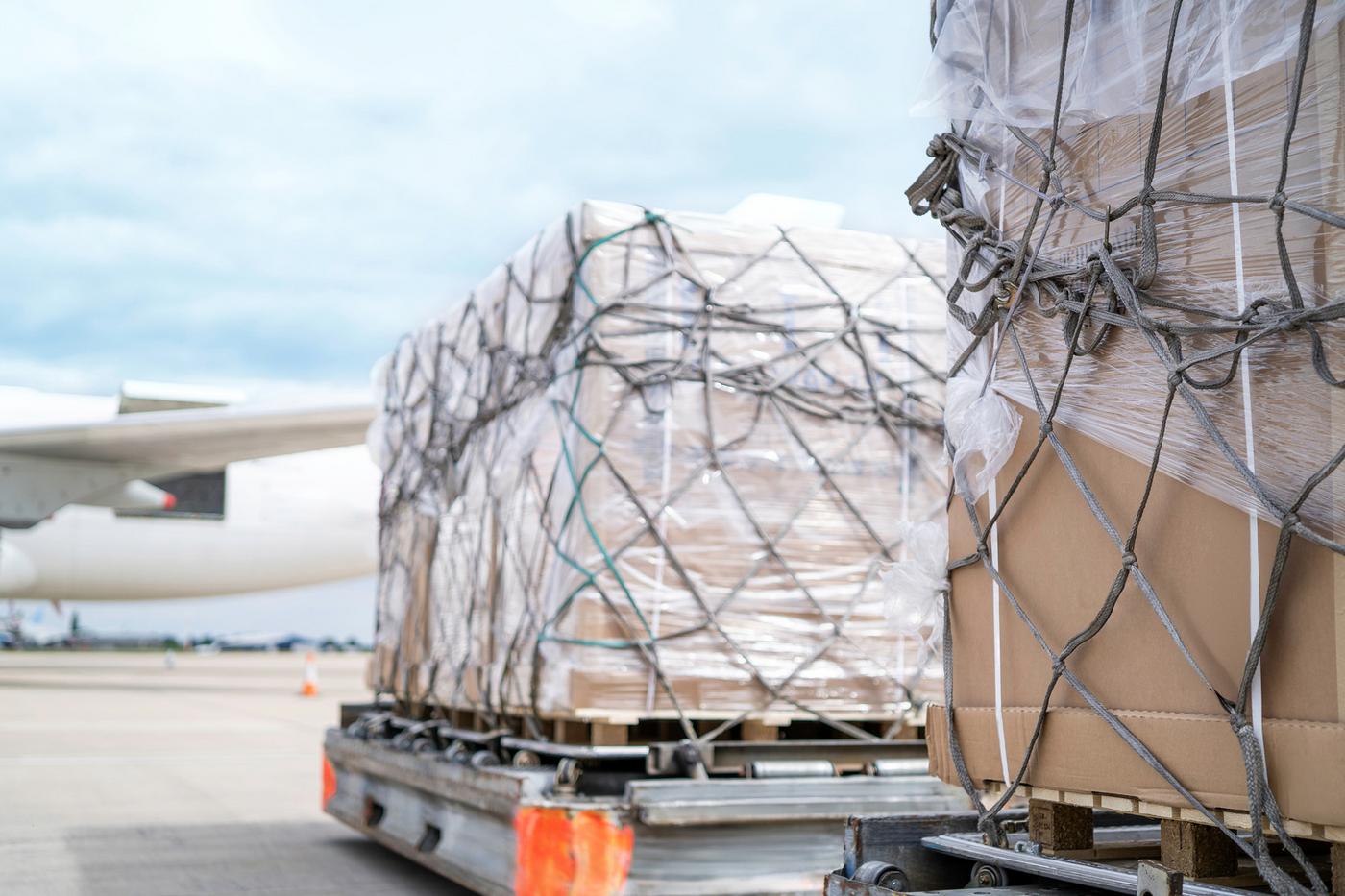
Measured by weight, air freight accounts for only a small share of global goods transport. However, its share of global trade by value exceeds one third, according to consulting firm McKinsey. For 2026, the International Air Transport Association (IATA) expects revenue of USD 158 billion.
Decarbonisation presents challenges in this sector as well. While alternative propulsion technologies represent more long-term prospects, sustainable aviation fuels (SAF) are emerging as an effective short-term option. They can already be blended with conventional fuels at ratios of up to 50 per cent.
Meanwhile, research is focusing on the use of 100 per cent SAF. One example is the CLIM0ART project by the German Aerospace Center (DLR) and aircraft manufacturer Deutsche Aircraft GmbH. The project investigates a turboprop aircraft powered entirely by SAF, examining not only emissions but also particulate output and contrail formation. The data obtained will enable further conclusions regarding the climate impact of these fuels.
At the same time, logistics and energy companies are investing in scaling up SAF production. In 2025, DHL signed one of the largest agreements of its kind to date: more than 240,000 tonnes of SAF will be procured from US energy company Phillips 66 over three years for air freight operations on the North American west coast. This would result in CO₂ savings of around 737,000 tonnes – equivalent to approximately 2,400 scheduled flights from Los Angeles to Frankfurt.
The aerospace group Airbus plans to complement conventional fuels and SAF with electrical energy from batteries or fuel cells. The propulsion technology required for this is being developed by leading manufacturers. Bosch Aviation Technology, a subsidiary of Robert Bosch AG, presented a 1.4-litre aircraft engine converted to hydrogen operation in 2025. In a feasibility study, it achieved performance levels close to those of the original petrol engine.
Road freight – battery or fuel cell?
Numerous projects in road freight transport are also aiming to improve efficiency and sustainability. According to the International Energy Agency (IEA), more than 90,000 electric trucks were sold in 2025 – an increase of around 80 per cent compared with the previous year. China is the primary driver of this development, where sales more than doubled within a year.
The shorter range of battery-electric vehicles compared with combustion-engine ones is offset by legally mandated driving and rest periods. Professor Patrick Plötz of the Fraunhofer Institute for Systems and Innovation Research (Fraunhofer ISI) in Karlsruhe, Germany, emphasises this in an interview with Volvo: “Even in long-haul transport, where 1,000 kilometres per day are covered, you never drive more than 400 kilometres without stopping.” In operational practice, recharging during mandatory breaks does not result in additional time loss.
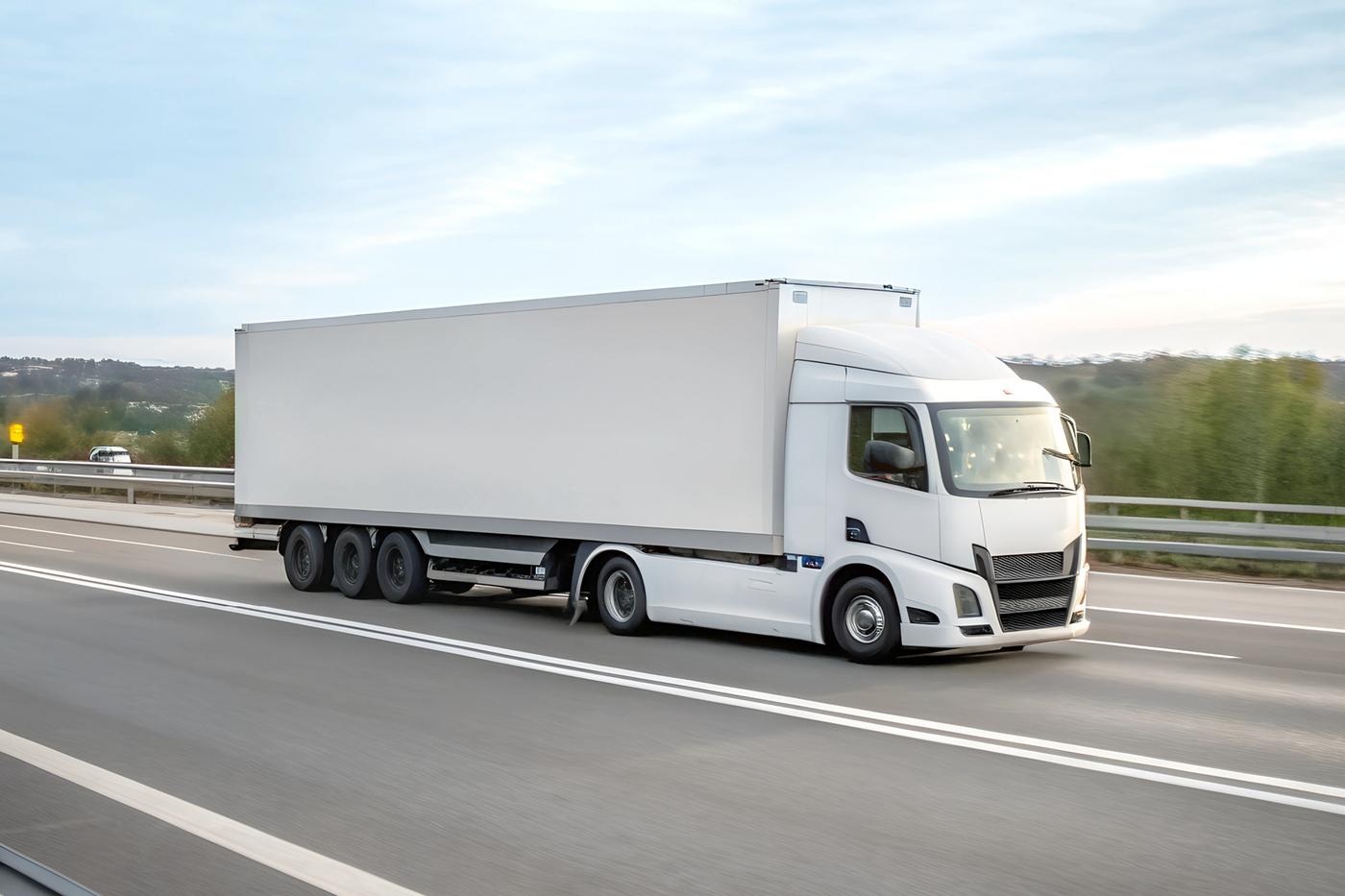
The Mercedes-Benz NextGenH2 Truck is expected to achieve ranges of well over 1,000 kilometres at full load. Daimler Truck unveiled the liquid hydrogen-powered fuel cell truck in 2025. Building on proven components such as fuel cells from the southern German manufacturer cellcentric, the overall system was further developed specifically for safety, compact design, and compatibility with standard semi-trailers.
Fuel cells, high-voltage batteries, and electronic components used in trucks and aircraft place high demands on the potting compounds, adhesives and sealants. Wevo brings decades of experience from the automotive sector to this field: electrical potting resins based on polyurethane, epoxy resin and silicone are specifically designed for these applications. The materials not only enable reliable protection of sensitive components, but also support partially or fully automated manufacturing processes.
Rail – Europe’s efficient mode of transport
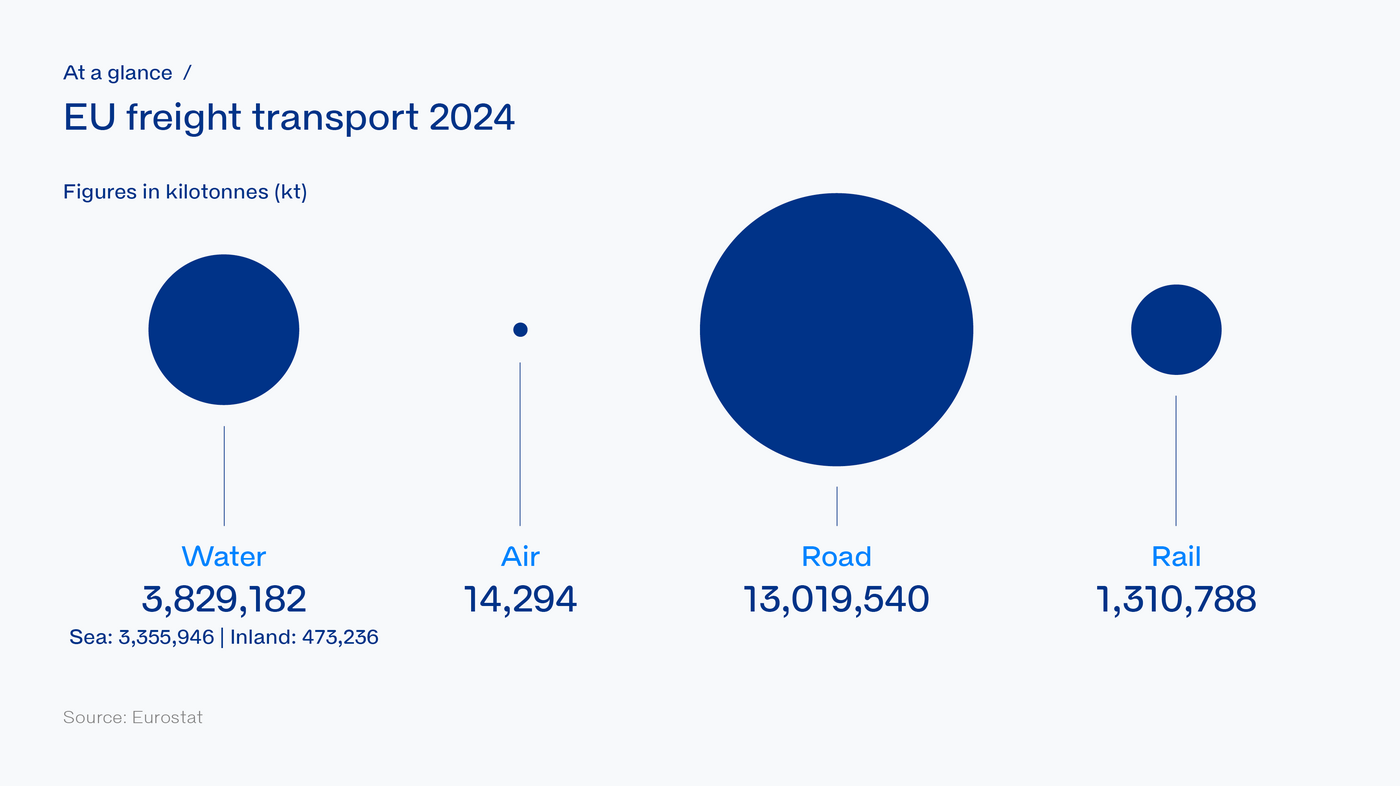
Because of its high energy efficiency, many countries, including Germany, are planning to shift a larger share of transport logistics to rail. According to Eurostat, the federal republic currently plays a key role in rail freight within the European Union. It has recorded the highest rail freight volume of all member states, accounting for more than one third of the total volume.
Electric rail operation is the most efficient and climate-friendly option – however, expanding overhead line infrastructure is costly and time-consuming. Alternative propulsion technologies are therefore being developed for routes that cannot be electrified. A recent example comes from India, where state-owned energy company NTPC has commissioned electronics manufacturer Concord Control Systems to develop the world’s most powerful hydrogen-fuelled locomotive propulsion system to date. In a pilot project, a diesel locomotive will be converted to hydrogen fuel-cell propulsion with 3,100 hp (2.3 MW) – almost twice the previous benchmark of 1,600 hp.
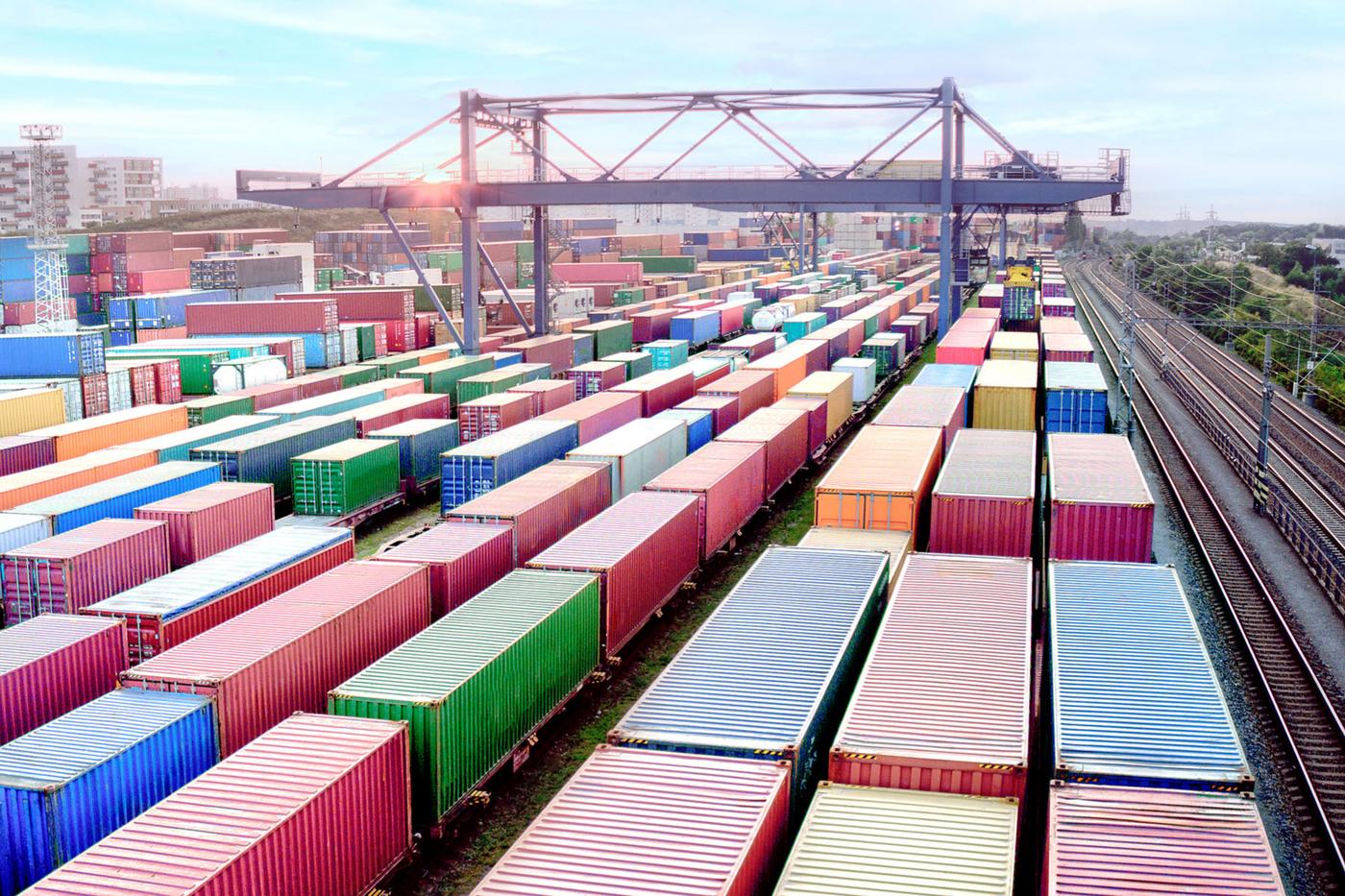
In addition to propulsion technology, DB Cargo AG, Europe’s largest rail freight operator, is pursuing innovative automation projects. Together with the two Bosch subsidiaries, Bosch Engineering GmbH and ITK Engineering GmbH, DB Cargo has developed a fully automated shunting locomotive ready for series production. It will be deployed in marshalling yards to break up freight trains, sort wagons and assemble new trains – tasks that have so far largely been performed by manually controlled “hump locomotives”.
As digitalisation advances, the technical systems of individual freight wagons are also coming into focus. Applications such as Digital Automatic Coupling (DAC) or automated loading and unloading systems require an onboard power supply – a function that is often lacking today. Technology group Schaeffler AG offers one possible solution in the form of retrofittable axle generators, which provide an autonomous power supply for electronic systems and lay the foundation for further automation and digitalisation.
Technology as a driver – Wevo supports the transformation
The logistics sector is in the midst of structural change. “In 2025/26, the ‘triple transformation’ of digitalisation, sustainability and resilience will remain the central guiding principle for future-proof value chains,” says Wolfgang Kersten, emeritus professor and former head of the Institute of Logistics and Corporate Management at Hamburg University of Technology. “These three pillars form the foundation of long-term competitiveness and adaptability in value chains.”
Kersten is among the authors of the study series “Trends and Strategies in Logistics and Supply Chain Management”, published by Bundesvereinigung Logistik (BVL; German Logistics Association). The results show that measurable progress has been achieved in all three transformation areas in recent years, despite challenging geopolitical and regulatory conditions. The sector is demonstrating momentum, determination to shape change, and future viability.
In this innovation-driven environment, Wevo supports projects from the outset upon request, providing expertise in material development and application. In close collaboration with customers and partners, tailored solutions are developed to reliably protect sensitive electronics as well as energy storage and drive systems. As a result, the manufacturer of customised potting compounds, adhesives and sealants plays a decisive role in turning technological progress into practical reality.
Key insights at a glance
How are global supply chains and logistics trends transforming the industry?
Global supply chains and modern logistics are evolving from cost-driven systems into strategic success factors for industrial companies. Current trends such as digitalisation, resilience and regionalisation are shaping product availability and how companies respond to crises.
- Global supply chains are vulnerable to disruptions caused by geopolitical conflicts, pandemics and raw material shortages
- Companies are increasingly focusing on resilience through diversification, nearshoring and strategic warehousing
- Digital technologies such as IoT, AI and real-time tracking enhance transparency and control
- Sustainability is becoming a key factor, for example through CO2 reduction in transport and production
- Logistics is increasingly determining delivery capability, competitiveness and growth in industry
Key insights at a glance
How are global supply chains and logistics trends transforming the industry?
Global supply chains and modern logistics are evolving from cost-driven systems into strategic success factors for industrial companies. Current trends such as digitalisation, resilience and regionalisation are shaping product availability and how companies respond to crises.
- Global supply chains are vulnerable to disruptions caused by geopolitical conflicts, pandemics and raw material shortages
- Companies are increasingly focusing on resilience through diversification, nearshoring and strategic warehousing
- Digital technologies such as IoT, AI and real-time tracking enhance transparency and control
- Sustainability is becoming a key factor, for example through CO2 reduction in transport and production
- Logistics is increasingly determining delivery capability, competitiveness and growth in industry
Links related to this article
Companies/research institutes:
World Trade Organization
World Economic Forum
UNCTAD
MSC
European Energy
Maersk
McKinsey
IATA
Boeing
DLR
DHL
Airbus
Bosch
IEA
Volvo Trucks
Daimler Truck
Eurostat
DB Cargo
Schaeffler
People:
Wolfgang Kersten
Disclaimer (Extract) – Copyright and IP Rights: The contents published on this website are subject to German copyright and ancillary copyright law. Any utilization not permitted by German copyright and ancillary copyright law requires the prior written permission by the provider or the respective owner. This applies in particular to the copying, working, translation, storage, processing and reproduction of contents in databases and other electronic media and systems. Third-party contents and rights are identified as such in this regard. The unauthorised duplication and forwarding of individual contents or complete pages is not permitted and may possibly be punishable as a criminal offence. Only the creation of copies and downloads for personal and private and non-commercial use is permitted. The use of this website as external link shall only be permitted upon prior written approval oft he provider. Each and any firm or trademark is sole property of the relevant company. Citations of trademarks and names of third parties have a purely informative character. You will find the complete disclaimer in the imprint.